Description
Zinc Black | Lapidura AP
| Brand / Collection | Lapidura AP |
| Model Name | Zinc Black |
| Slab Size | 120×280 cm |
| Thickness | 6 mm |
| Surface (Finish) | Matte / Natural Textured Oxide Metal (Natural / Matt) |
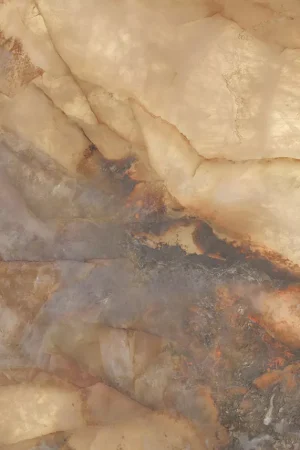
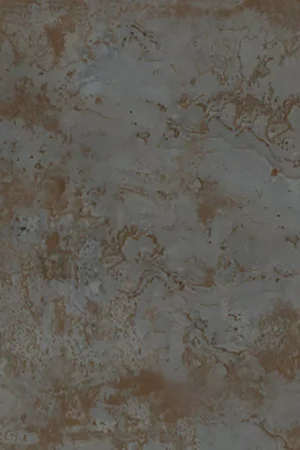
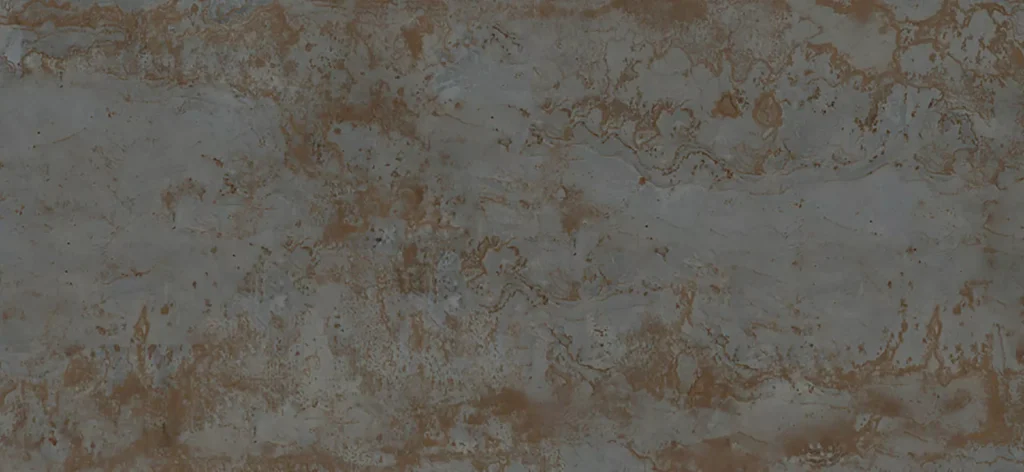
| Main Color / Texture | Graphite Black and Dark Lead Base, Oxidized Bronze and Caramel Rust Transitions |
| Feature | Zero Water Absorption, Acid and Stain Resistance, High Heat Resistance |
Product Details and Areas of Use
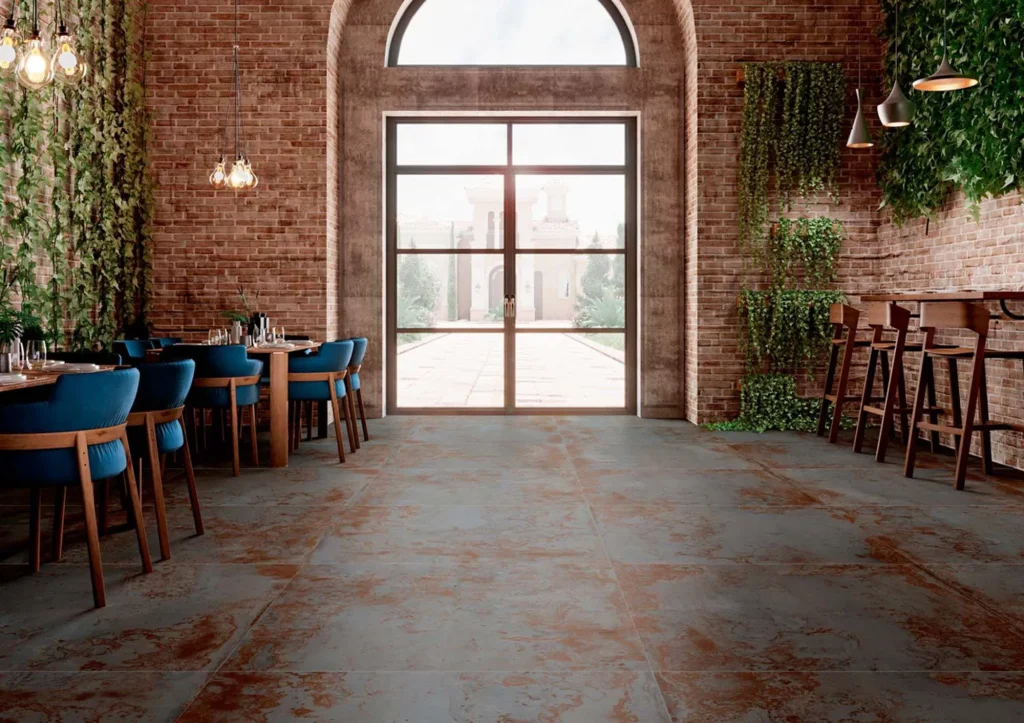
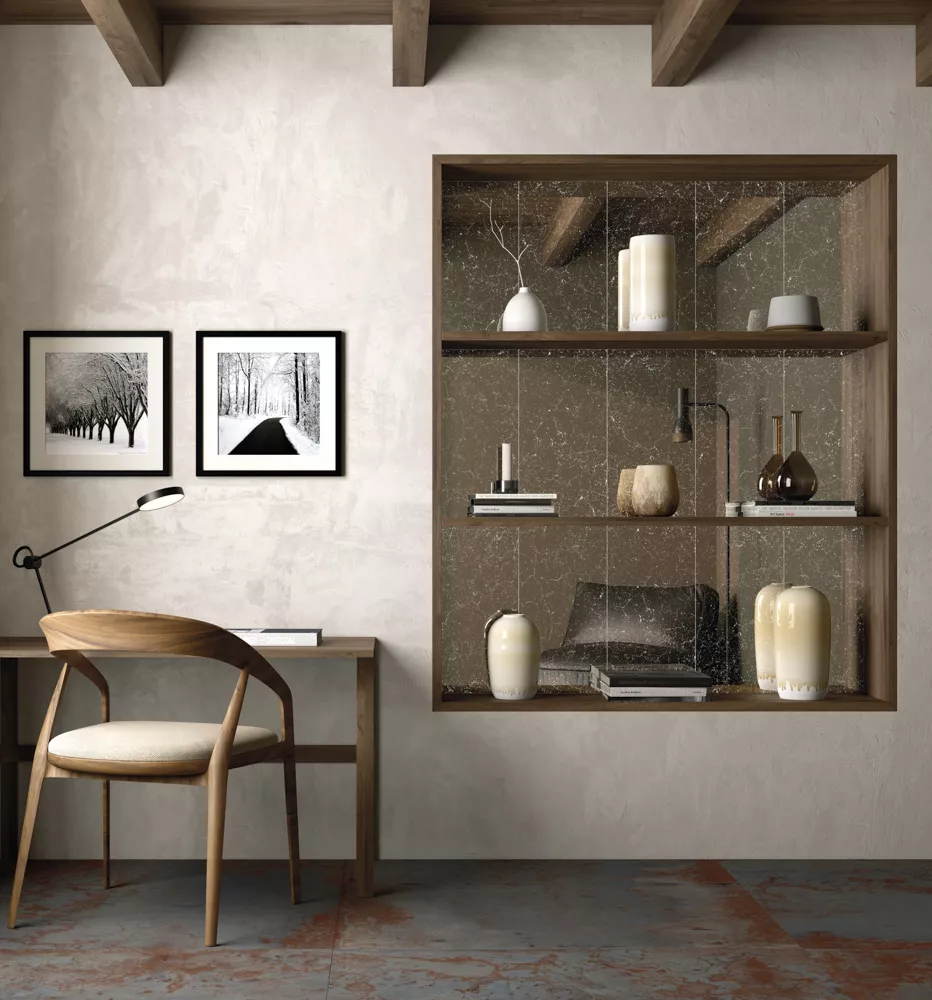
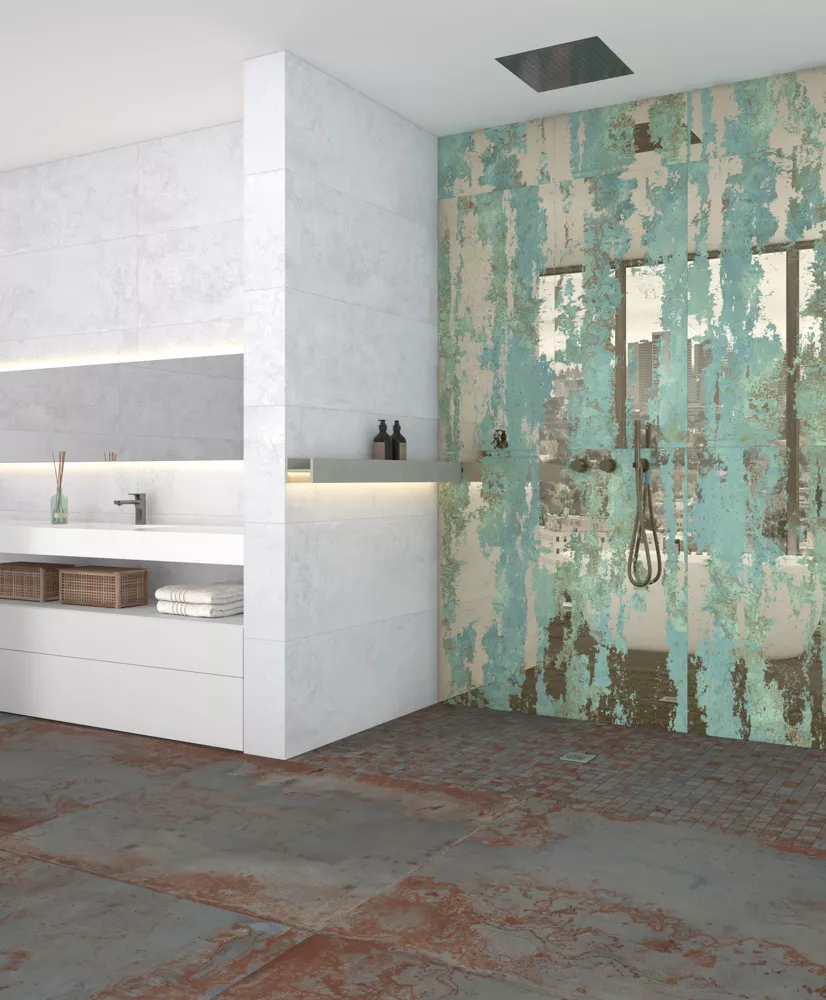
Its body is inspired by the industrial aesthetic of sheet metal baked with zinc darkened by the effects of time and atmospheric elements. It consists of layers of warm bronze, burnt cognac, and caramel rust corrosion organically distributed over deep smoky anthracite, graphite black, and lead tones. Its matte and tactile natural surface softly absorbs ambient light without reflection, lending a masculine, brutalist, loft, and highly sophisticated architectural depth to spaces. The giant slab size of 120×280 cm minimizes joint lines in vertical and horizontal coverings, creating a seamless aged metal panel effect.
It is produced with a thickness of 6 millimeters. The disadvantages inherent in real corroded metal sheets, such as leaving dust and rust in the environment, acid burns, fingerprint stains, and moisture-induced decay, have been completely eliminated thanks to its sintered porcelain structure. Due to its low square meter weight, it can be directly applied to the exterior shell of buildings in mechanically ventilated facade systems, vertical interior projects, and movable furniture surfaces without imposing static load on the system.
Application Options
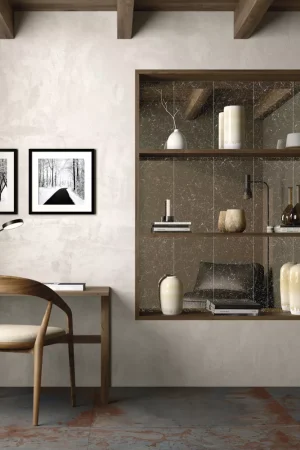
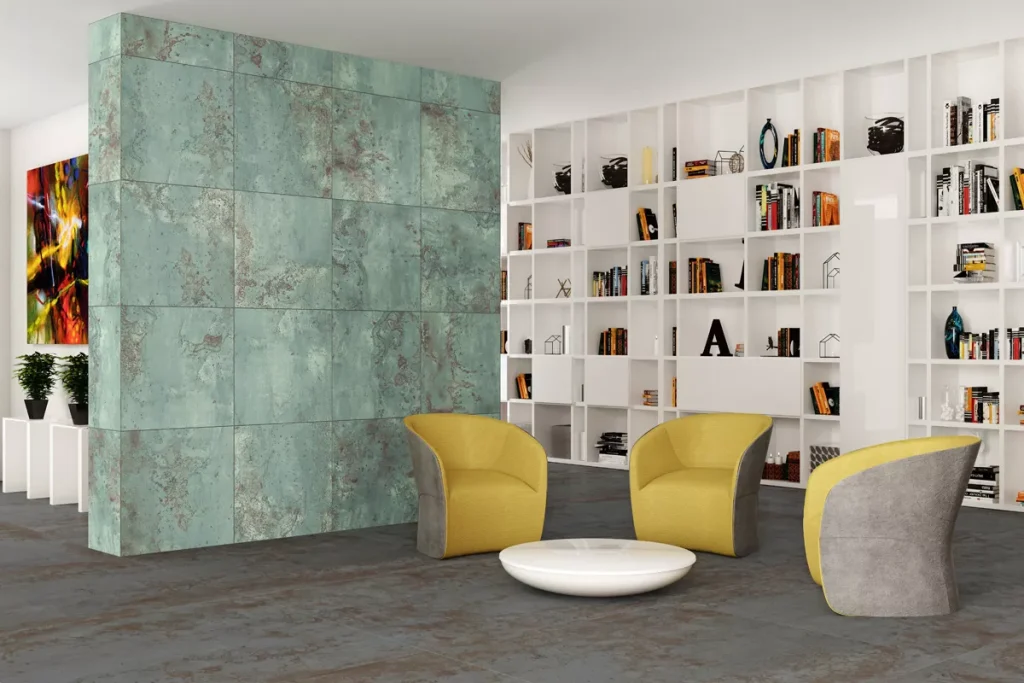
- Interior Walls and Panels: Thanks to its 120×280 cm size, it provides a seamless panel effect on TV-back focal walls, main reception areas of hotels and restaurants, fireplace surrounds, and monolithic bathroom facades. The black and bronze oxide tones offer perfect architectural integrity with smoked glass, anthracite aluminum joinery, and dark oak woods.
- Furniture Surfaces: With its 6mm thin and lightweight structure, it can be applied by adhering to island countertop side panels, wardrobe doors, and architectural design tables. It does not strain supporting hardware and rail mechanisms.
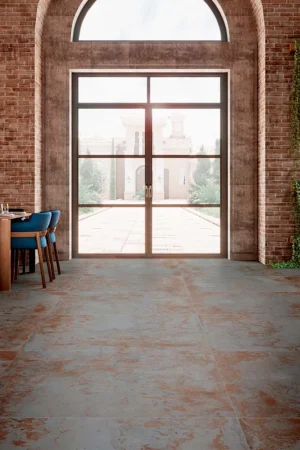
- Facade and Flooring: It is fully resistant to frost, severe temperature fluctuations, and direct sunlight (UV) rays. No fading, darkening, or color change occurs on its graphite base and oxide rust textures due to external environmental conditions.
Porcelain Material Advantages
- Liquid Repellency: Unlike real metal coatings, it is non-porous. Oil, coffee, acidic liquids, and chemicals do not penetrate the surface, leaving no permanent stains. It does not require rust-protective varnish or maintenance.
- Heat Resistance: Produced at very high firing temperatures, it maintains its form against direct flame exposure, high heat around fireplaces, and hot container contact, without cracking.
- Easy Cleaning: The non-porous porcelain surface does not retain limescale or dirt. It is easily cleaned with standard neutral surface cleaners and a damp microfiber cloth.
Frequently Asked Questions
Do corrosion and rust textures leave color or dust in the environment?
No. Oxide and metal effects are permanently integrated into the porcelain body during sintering; it does not dust and does not leave stains on hands or clothes.
Can the 120×280 cm slab be applied over existing cladding?
Yes. Due to its 6mm thickness, it is quite light. After applying a suitable adhesion-enhancing transition primer to the surface, old ceramic or granite claddings can be directly adhered without breaking them.
Do fingerprints or scratches occur on the matte dark surface?
Porcelain slabs have achieved high surface hardness through industrial firing technology. Compared to real sheet metal and metals, they exhibit superior resistance to abrasion, scratching, and fingerprints.