
Description
Lamiere White | Lapidura AP
| Brand / Collection | Lapidura AP |
| Model Name | Lamiere White |
| Slab Size | 120×280 cm |
| Thickness | 6 mm |
| Surface (Finish) | Matte / Textured Aged Metallic Plaster (Natural / Matt) |
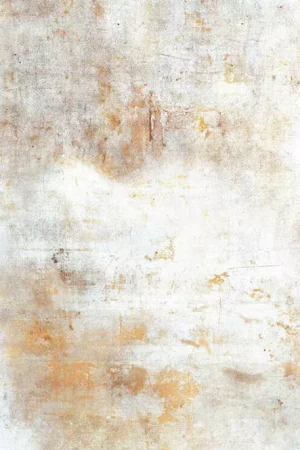
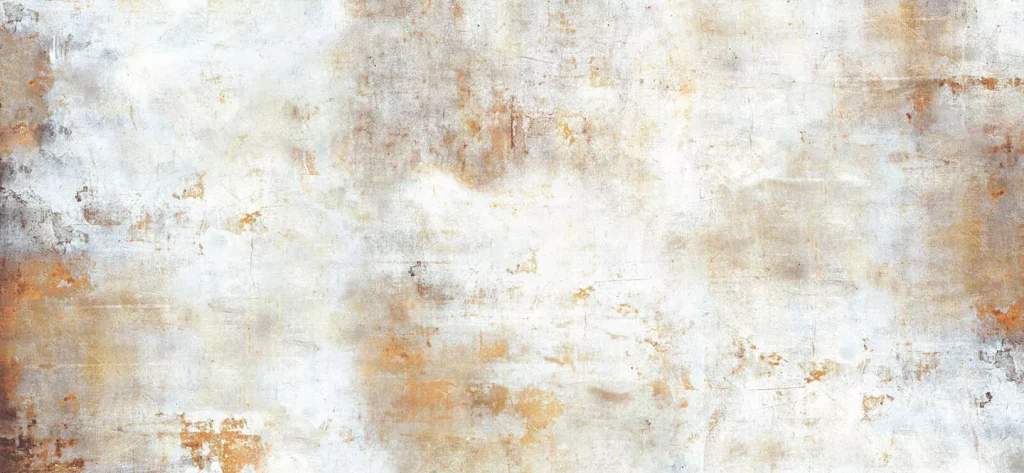
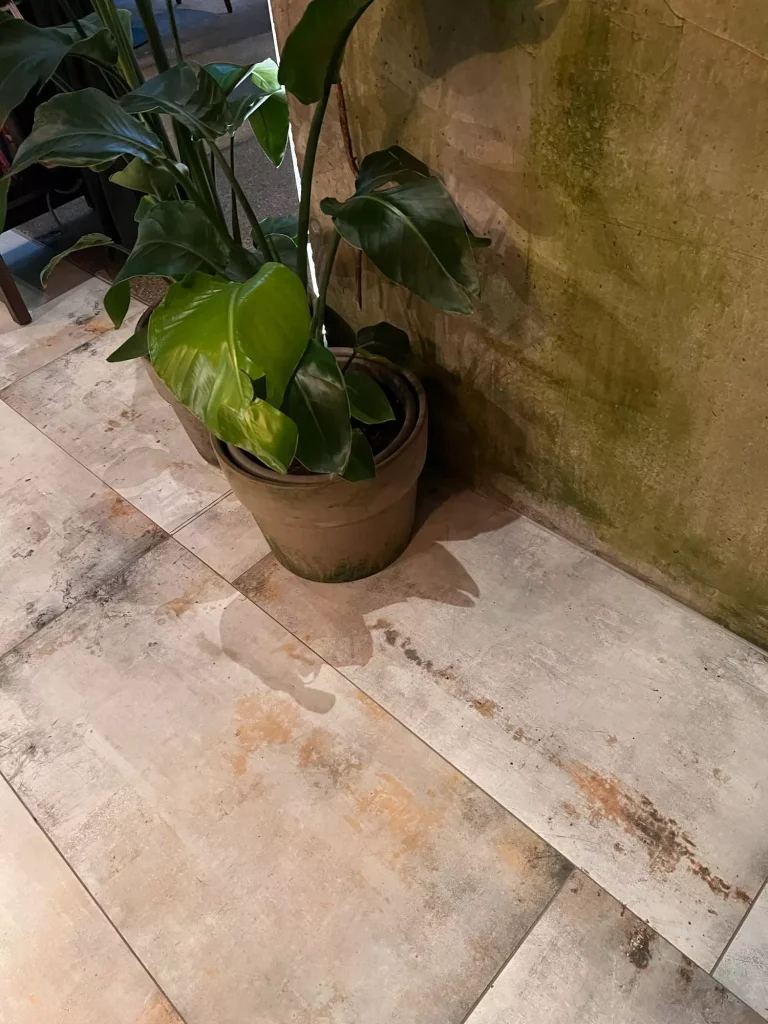
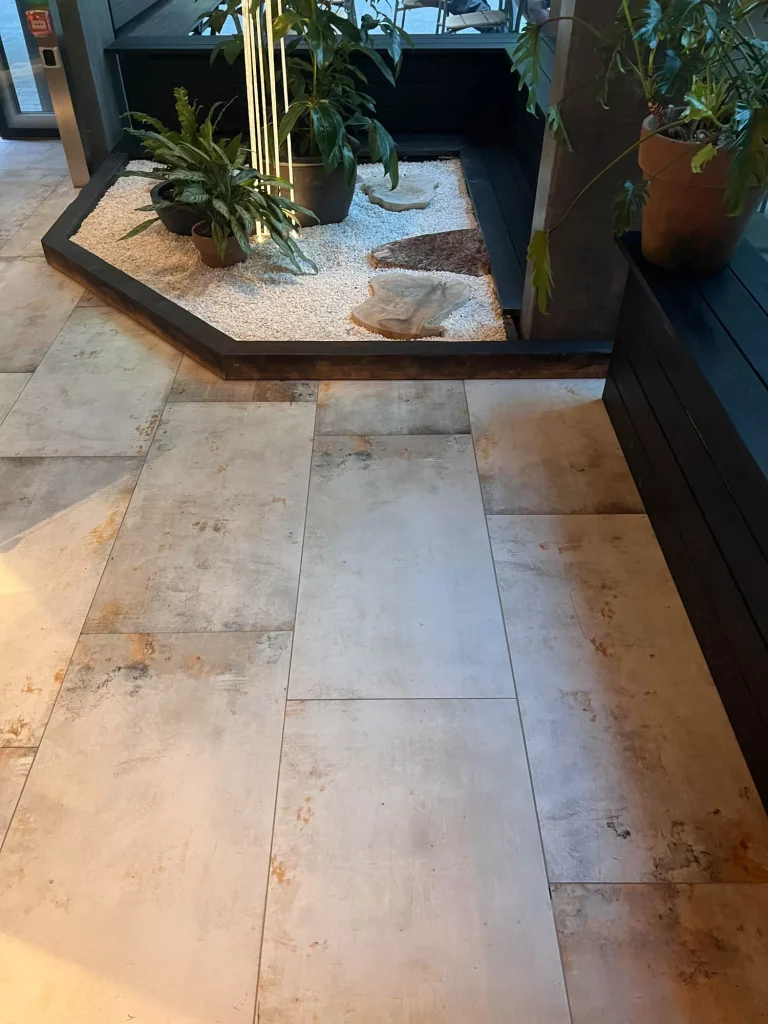
| Main Color / Texture | Lime White and Light Concrete Base, Oxidized Gold, Rust and Aged Sheet Metal Layers |
| Feature | Zero Water Absorption, Acid and Stain Resistance, High Heat Resistance |
Product Details and Application Areas
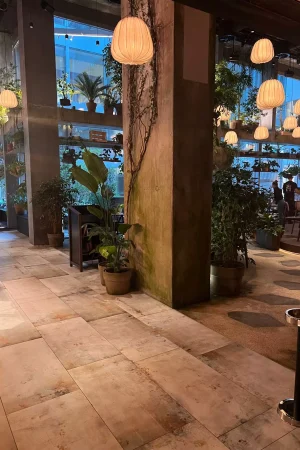
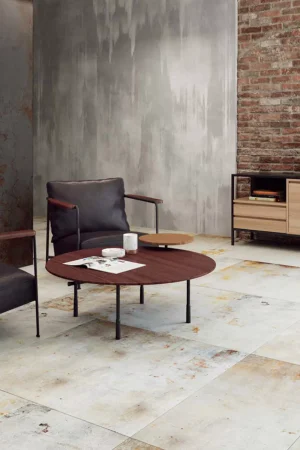
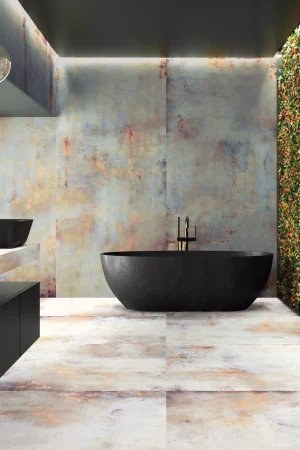
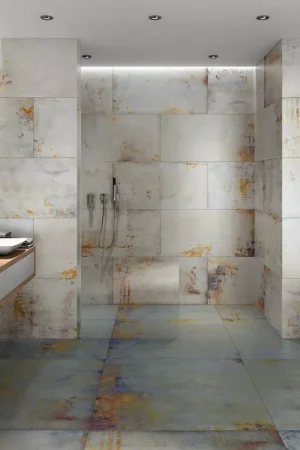
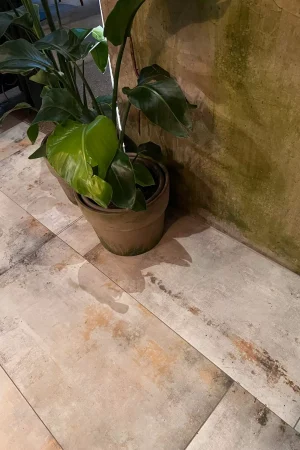
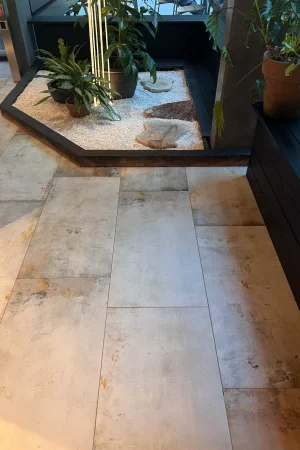
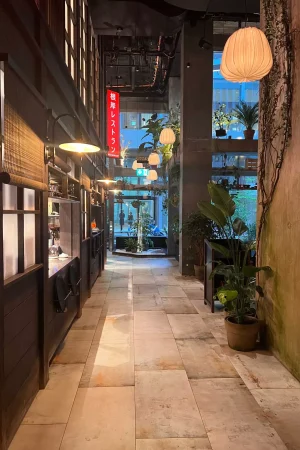
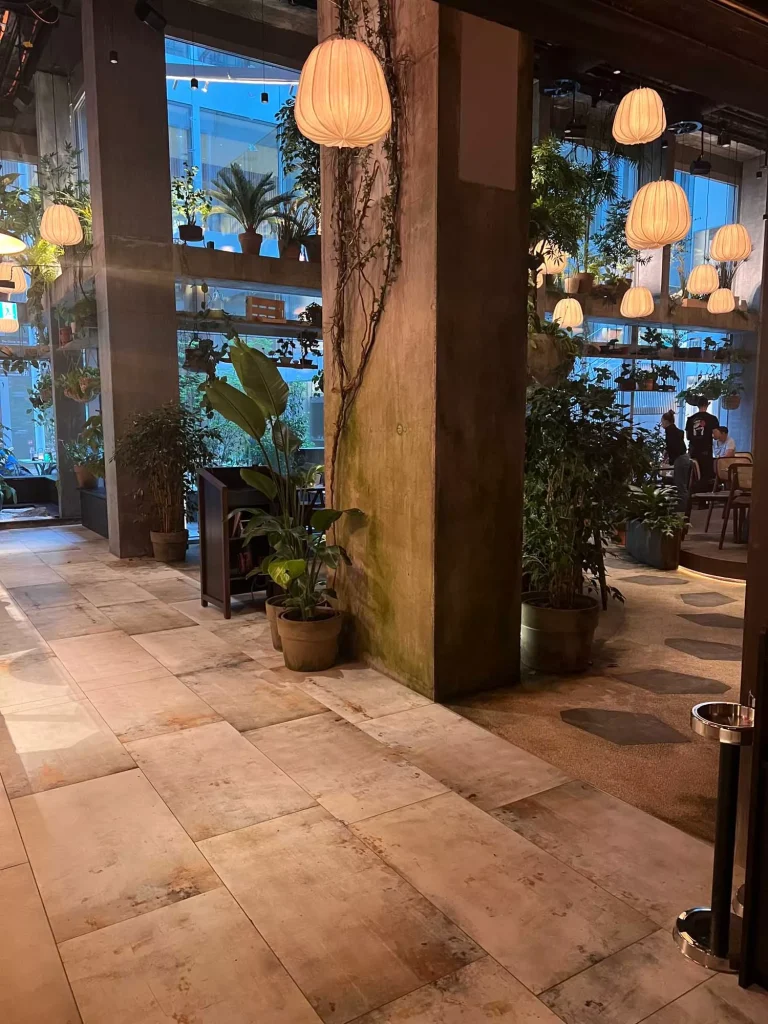
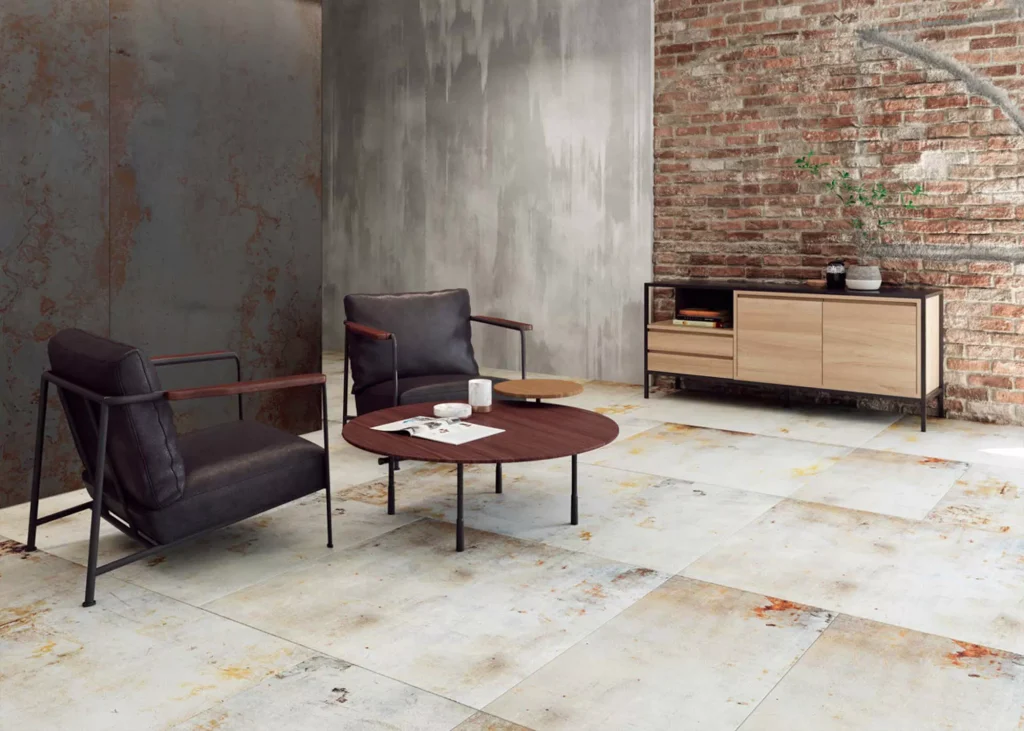
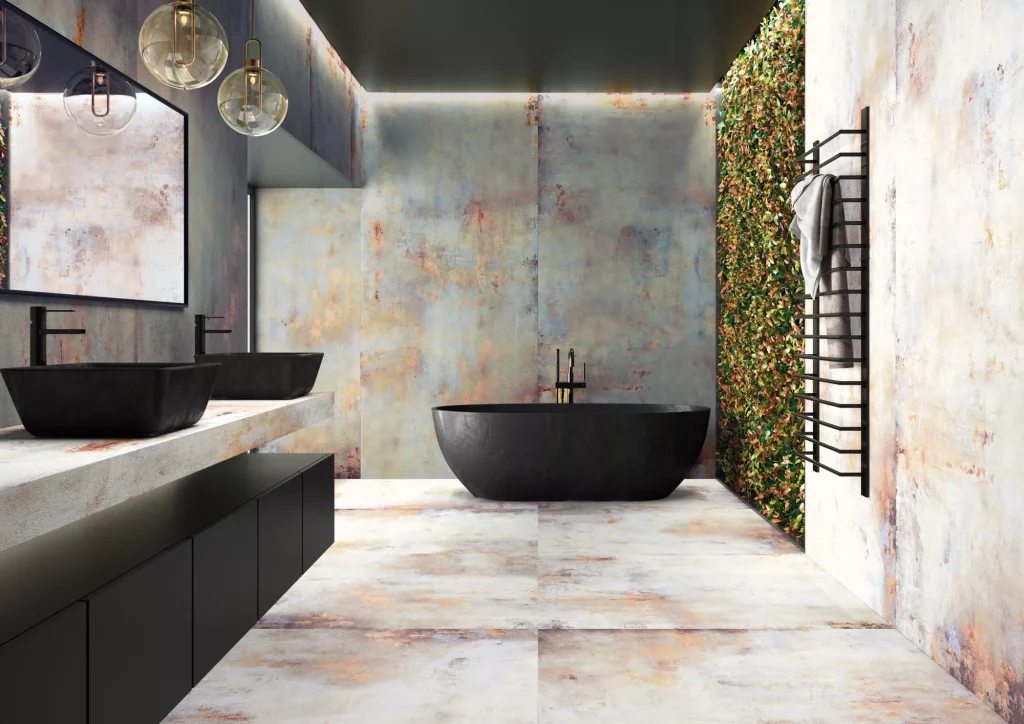
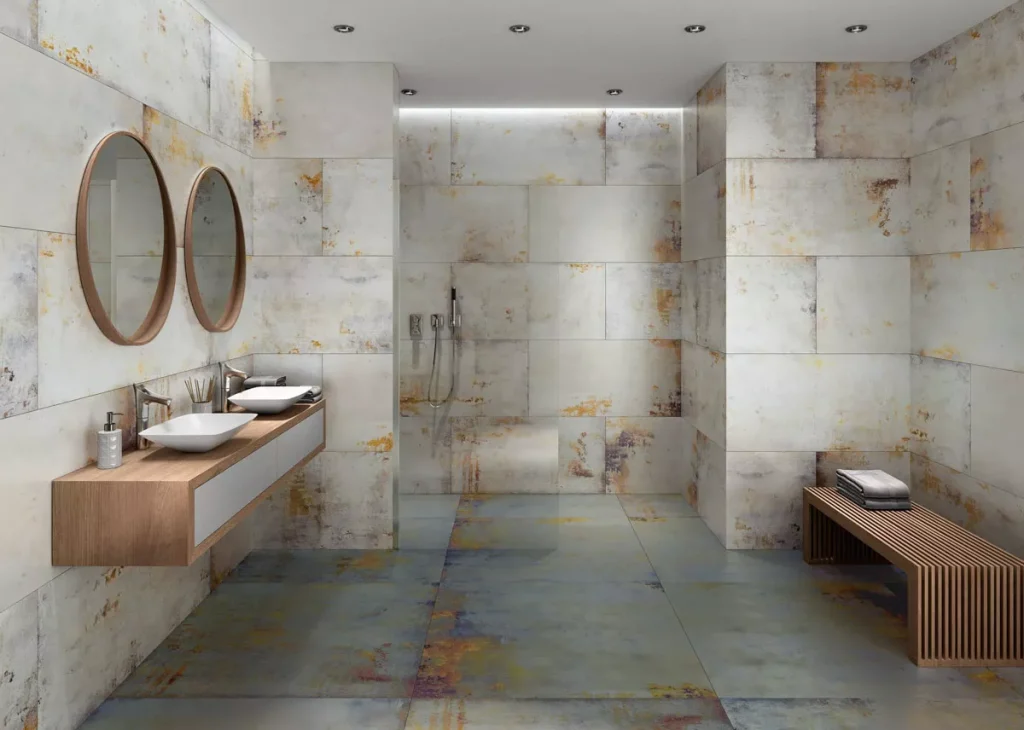
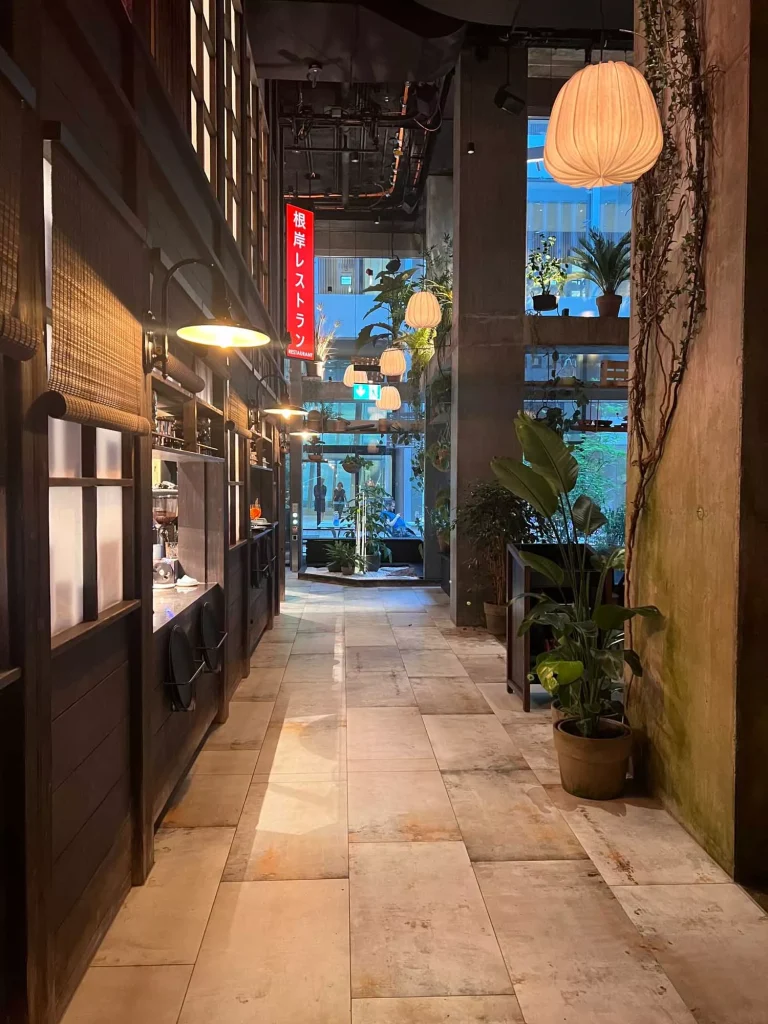
Its body consists of an artistic fusion of industrial aged metal sheets and polished lime-plastered walls. On a clear chalk white and light ash gray background, organically emerging warm ochre, oxidized golden yellow, burnt copper, and reddish rust patterns are present. Its matte and slightly mineral-embossed natural surface softly diffuses light, giving the space a bright, modern-rustic, and avant-garde loft identity. The giant slab size of 120×280 cm minimizes joint lines in vertical and horizontal applications, creating the effect of a monolithic industrial art panel.
It is produced with a thickness of 6 millimeters. Disadvantages such as corrosion, flaking, moisture absorption, and surface abrasion experienced with real painted sheets, corten panels, and lime-based plasters have been completely eliminated thanks to its sintered porcelain structure. Due to its low square meter weight, it can be directly applied to the exterior shell of buildings in mechanically ventilated facade systems, vertical interior projects, and movable furniture surfaces without imposing static load on the system.
Application Options
- Interior Walls and Panels: Thanks to its 120×280 cm size, it provides a seamless monolithic panel effect on focal walls behind TVs, in main halls of hotels and restaurants, around fireplaces, and on bathroom facades. The white and rust tones create a perfect architectural contrast with anthracite frames, solid oak furniture, and black matte faucets.
- Furniture Surfaces: With its 6mm thin and lightweight structure, it can be applied by adhering it to island countertop side panels, console covers, and architecturally designed tables. It does not strain supporting mechanisms and hinges.
- Facade and Flooring: It is fully resistant to frost, severe temperature differences, and direct sunlight (UV) rays. Yellowing, fading, or color loss due to outdoor conditions do not occur on its off-white background and rust patterns.
Porcelain Material Advantages
- Liquid Repellency: Unlike real plaster and corroded metals, it is non-porous. Coffee, tea, oil, wine, and acidic cleaning agents do not penetrate the surface, leaving no permanent stains.
- Heat Resistance: Since it is produced at very high firing temperatures, it maintains its form against direct flame exposure, high heat around fireplaces, and hot pot contact, without cracking.
- Easy Cleaning: The non-porous porcelain surface does not harbor lime, soot, or bacteria. It is easily cleaned with standard neutral cleaners and a damp microfiber cloth.
Frequently Asked Questions
Do aged and rust patterns leave dust or color on the surroundings?
No. The metallic wear and rust effects are sintered onto the porcelain body at high temperatures; they do not flake off, nor do they transfer paint or rust to clothing that comes into contact with them.
Can the 120×280 cm slab be applied over existing cladding?
Yes. Due to its 6mm thickness, it is quite lightweight. After applying a suitable adhesion-enhancing primer to the surface, it can be directly adhered over old ceramic or painted walls without breaking them.
Does the white background get dirty or yellow over time?
Since porcelain has a near-zero water absorption rate and exhibits full resistance to UV rays, problems such as yellowing or soot accumulation over time, which are seen in light-colored natural stone and plaster, do not occur.